The Wireless Electromagnetic Energy (WPC) Consortium at IFA 2024 announced the final specifications of the Ki wireless charging standard, designed specifically for the kitchen. Thanks to it, various small devices will be able to work wirelessly.
The Ki (pronounced “kee”) wireless power standard is a game-changer for all kitchens, making virtually any type of kitchen appliance cordless and smart. Experience the ease and efficiency of cordless power today and step into the future of the kitchen with Ki. With Ki, you can power a variety of devices — from toasters to rice cookers — simply by placing them on a Ki power transmitter.
With the help of Ki, food processors, toasters, electric kettles and other appliances can work completely wirelessly if they are installed on a special surface with built-in wireless charging. That being said, it is important that the countertop and appliances use the same electromagnetic induction charging protocol.
Ki enables smart communication between transmitter and appliance, creating smart appliances for improved cooking control and enhanced safety. A Ki transmitter will only send power to a Ki appliance so there is never a safety risk if something else is placed on the transmitter inadvertently.
Ki transmitters will initially be available built into induction cooktops and as standalone transmitters. Later, they will be available as hidden transmitters that can be mounted under countertops, kitchen islands, or tables. Ki hidden transmitters will work through any non-metallic standard-thickness surface, creating a sleek, modern design for any kitchen.
Whether it’s the added flexibility of a Ki- enabled induction cooktop or the magic of a Ki hidden transmitter, Ki makes small kitchens more functional and convenient.
Looking ahead, Ki will be able to be integrated into almost any non-metal surface in a custom kitchen. Whether built into a cooktop or installed under a countertop, cooking with Ki is as simple as placing a Ki Certified appliance on the transmitter and turning it on.
Since kitchen appliances consume much more energy compared to mobile gadgets, special wireless charging specifications have been developed for them. For example, the Qi and Qi2 standards used in mobile equipment can produce up to 5 and 15 watts of power, respectively. In the case of the Ki, this figure can reach 2200 watts.
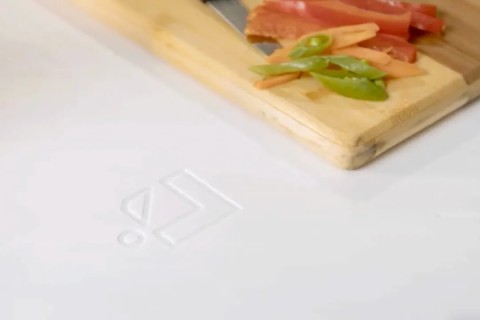
WPC expects that Ki transmitters will initially be integrated into induction cooktops, which in fact already use similar technology, but will become even more versatile with the new standard. Importantly, the technology allows energy to be transmitted through different materials such as granite, quartz, marble and even wood, up to 3.8 cm (1.5 inches) thick.
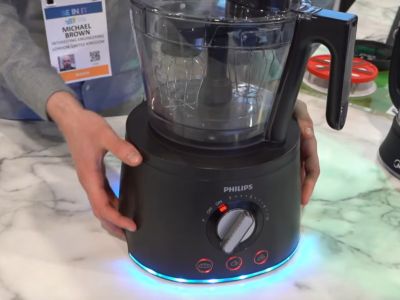
At the consumer electronics show in Berlin, the consortium’s booth had demonstrations of prototype kitchen appliances powered wirelessly via Ki. The standard will wireless deliver up to 2.2kW to smart appliances without a cable in sight.
It works in a similar way to the existing Qi standard for mobile device charging. A Ki power transmitter will connect to a Ki-enabled smart appliance, such as a kettle or toaster before the appliance is switched on.
The WPC said that transmitters will be integrated into dual-function induction cooker tops or in the form of standalone transmitters initially before hidden transmitters mounted under kitchen worktops, islands or tables will be available. The hidden transmitters will work with any non-metallic surface.
-
Ki Standard:The Ki standard, developed by the WPC, is a new wireless power standard specifically designed for kitchen appliances.
-
Certification:The first Ki-certified products have successfully passed rigorous testing, paving the way for their commercial launch.
-
Benefits:Ki cordless kitchens offer increased flexibility in kitchen design, improved safety (no cords), and potentially enhanced functionality through appliance-power unit communication.
-
Initial Implementation:The initial implementation of Ki power will be in induction cooktops and standalone power units, with future development focused on concealed power units under countertops.
-
Early Adopters:Companies like Midea are among the first to embrace the Ki standard, developing and showcasing appliances that utilize this technology, according to The Verge.
-
Timeline:The WPC had previously announced the Ki standard and predicted that products would be available in early 2025, according to a LinkedIn post from March 2024. The certification of the first products indicates that this timeline is being met.
To minimize the risk of kitchen hazards, a Ki transmitter will only send power to a Ki appliance. If anything, else is placed on the transmitter, no power will be sent.
One of the first companies to bring a Ki appliance to market is Midea, which demonstrated its Celestial Flex series of kitchen appliances at IFA. The series includes a Ki kettle, blender and steamer. Other appliance manufacturers which are WPC members include Beko, Philips and Miele.
Integrating the necessary components into kitchen appliances can increase the price by about $8-9. But do not forget that the user will have to acquire the appropriate surface.